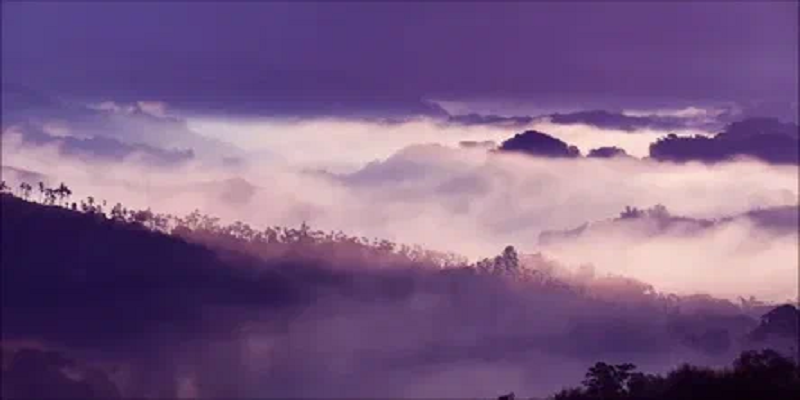
Gradient photography stands out as a fascinating creative technique, transforming familiar spaces into worlds of extraordinary depth. The intentional alteration of the original color palette not only creates a unique visual effect but also becomes a powerful storytelling tool. This article nowgoal will explore the technical nature, process, and influence of photography in contemporary art and media.
The technical nature and expressive meaning of gradient photography
To grasp the appeal of this style, it is necessary to clarify two core elements: the mechanism of tonal change and the hidden meaning behind each variation. It is the calculated intervention that transformsimageseparate language bảng xếp hạng bóng đá to get 888k bonus.
Technical mechanism that creates color transitions
Every color transformation starts by breaking the original relationship between light and sensor. Before we dive into the methods, it’s important to understand that color isn’t static:
- Basic Gradient Map: Mapping grayscale to a gradient color range (blue – magenta – yellow) creates a unique color transition effect. This technique makes the gradient photo more vivid, with more depth and visual emotion.
- Color lookup table (LUT): A .cube file containing color transformation formulas that are applied immediately.
- Channel swapping: Swap the red-blue-blue channels to create a simulated infrared effect.
- Advanced Split Toning: Color highlights and shadows separately.
Layers of expressive meaning in gradient images
Each new color palette carries its own emotional message. Before listing the typical layers of meaning, it is important to recognize that color transitions are a way of redefining reality:
- Cold blue tone – lonely: Turns day into night, evoking a feeling of distance and contemplation.
- Warm Orange – Nostalgic: Recreates the quality of classic film to evoke a sense of nostalgia and familiarity. This effect brings emotional depth, connecting the past with the present through each frame.
- Magenta – surreal: Breaking the laws of nature, taking viewers into another dimension.
- Duo-tone – minimalist: Limit two contrasting colors to emphasize shape and texture.
Professional color-changing photo process
Creating a work requires a close collaboration between creative thinking and digital tools. Two key stages – preparing the source files and applying effects – determine how convincing the final product is.
Prepare the original file for the color conversion process
The foundation of any quality gradient photo lies in the capture and pre-processing. Before applying any effects, ensure that the original color data is rich:
- RAW format capture: Retains maximum color information in 14-16 bits/channel.
- Neutral White Balance: Avoid over-exposing colors to maintain a natural and harmonious color range. This gives the color-shifted image a wider color space, making it easier to post-process and adjust the color.
- Increase dynamic range: Use HDR bracketing when shooting high-contrast scenes to capture more detail in the highlights and shadows. Combining different exposures helps achieve a better balance of light and depth.
- Save wide color profiles: Choose Adobe RGB or ProPhoto RGB color spaces to minimize clipping during conversion. This preserves the full color range and ensures accuracy in post-production.
Tools and process for applying gradients
Post-production is where the gradient really takes shape. Before we get into the specific steps, we need to define our moodboard and target color palette:
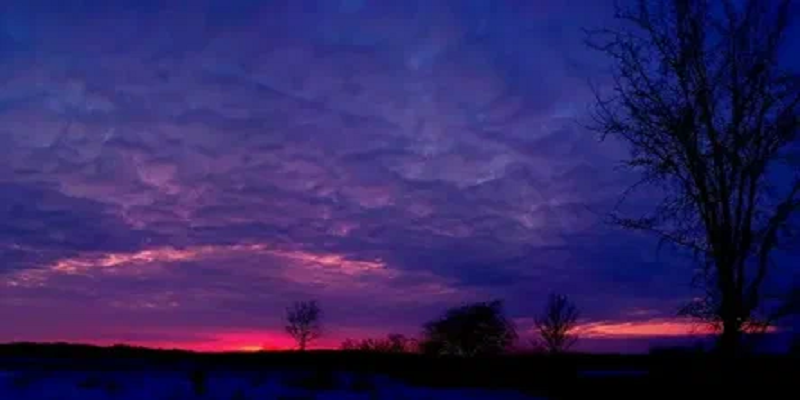
- Curves with masks: Create separate curves for each color channel for more precise control of brightness and contrast. This allows for creative tweaking of hues and color balance.
- HSL selective: Adjusting hue for each color range allows for specific changes to the hue without distorting the overall image. This method provides fine control and precision during color grading.
- Gradient map layer: Blend mode “Soft Light” to keep the original texture.
- 3D LUT creator: Customize personalized LUTs, export .cube files for reuse.
Conclude
From darkroom experiments to modern AI LUTs, gradient photography shows its endless adaptability and creativity. It is not just an editing technique, but also a way for humans to redefine the world through emotions. In the future, with the development of virtual reality and the metaverse, photography promises to open up a new visual space where color goes beyond physical limits.
